
Lanier High School - Project Highlight
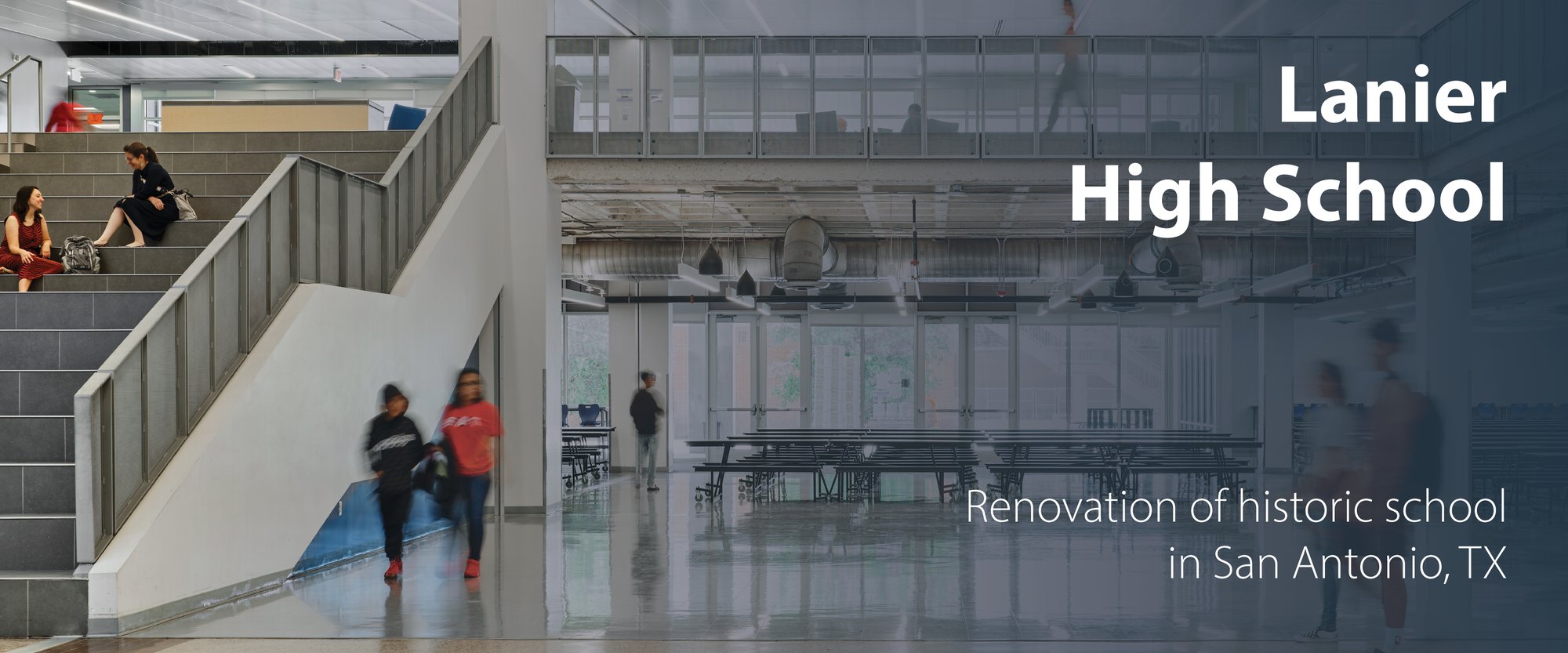
Read about how Gilbane Building Company supported the
transformative renovation of Lanier High School
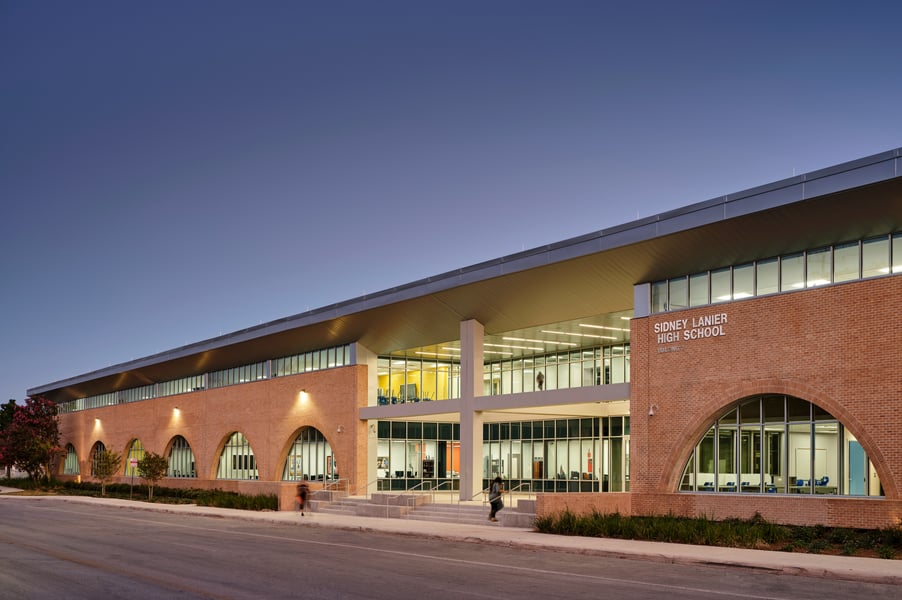
The Gilbane project team strived to create an education facility that met the community’s needs while preserving a piece of Westside history dating back to 1915. The result was a transformation of a local high school to a 21st-century education facility ready to inspire and serve the community for years to come.
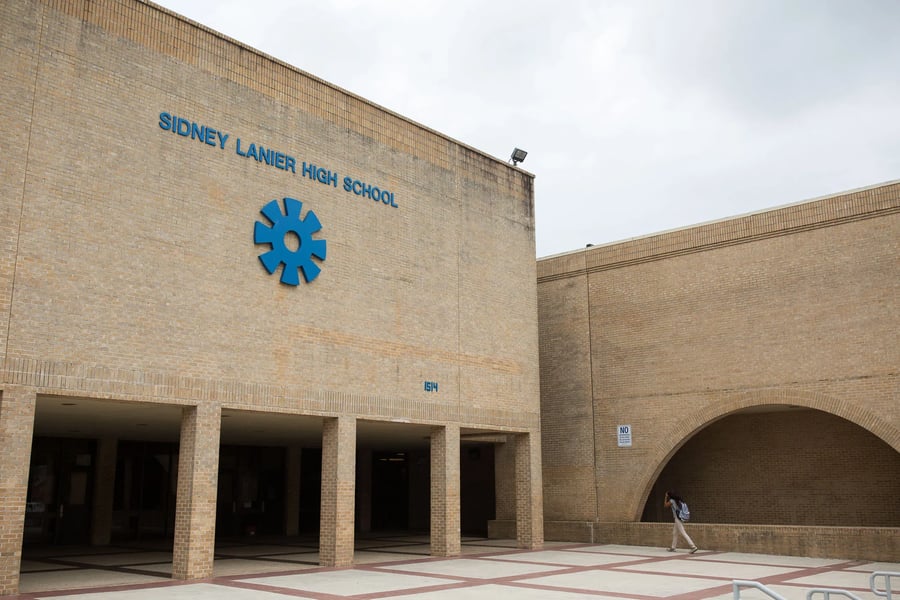
Lanier High School, originally built in 1915 as a middle school, was transformed in the 1970s to the building that stood for almost 50 years. The main academic building was an aging facility with numerous issues throughout. The project team worked to address these issues with the Owner and Architect and was able to provide significant cost savings.
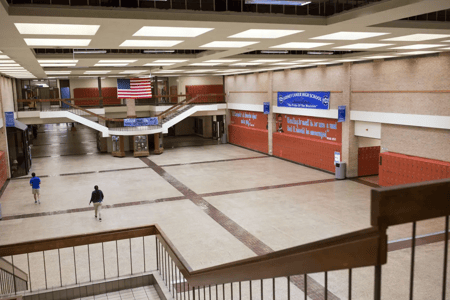
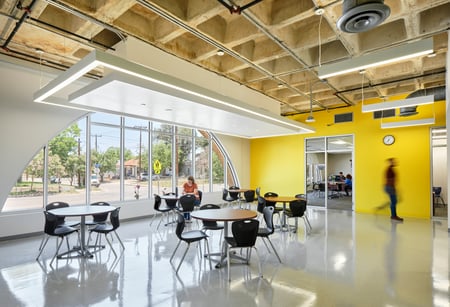
Construction During School Operations
The aging facility posed several problems during construction. Rust was found in the existing roof metal decking, with some areas completely rusted through. It was determined that the existing metal deck was too deteriorated to save. Gilbane and its Subcontractors developed a detailed, phased plan to minimize impacts on school operations, allowing the school to remain open during roof removal and replacement.
Overcoming Unforeseen Contamination
As work and demolition progressed into phase 2 on the second floor, contaminated materials were found beneath the existing flooring. Disturbing these materials would have resulted in the unplanned need to completely contain large areas in a critical work area on the second floor. However, encapsulating the material would render it unexposed, allow work to continue, and be in compliance with regulatory conditions.
Gilbane, LPA Architects, and SAISD collaborated to redesign affected areas without compromising functionality or causing ADA issues. Perimeter areas were determined for transition points, and walls were adjusted accordingly. Corridor elevations were also adjusted to match existing tie-in points. This saved costs of over $150,000 and eliminated weeks of additional work to address the unforeseen condition.
Brick Replacement for Added Windows
Built during the 1970s energy crisis, the school lacked windows, which limited access to natural light and views. Research shows that a lack of daylight affects education, morale, and safety. Before adding windows, the team discovered corroded ties on the brick perimeter. With input from a forensics engineer, they decided to reinforce the brick in place, saving nearly $1 million in potential costs and preserving the wall. After securing the brick, window installation could proceed, creating a more modern facility to serve the next generation of students in San Antonio.
To learn more about how Gilbane can transform your next project, contact us below.
We look forward to the opportunity to work with you.